PHOTO BY Akulatraxas
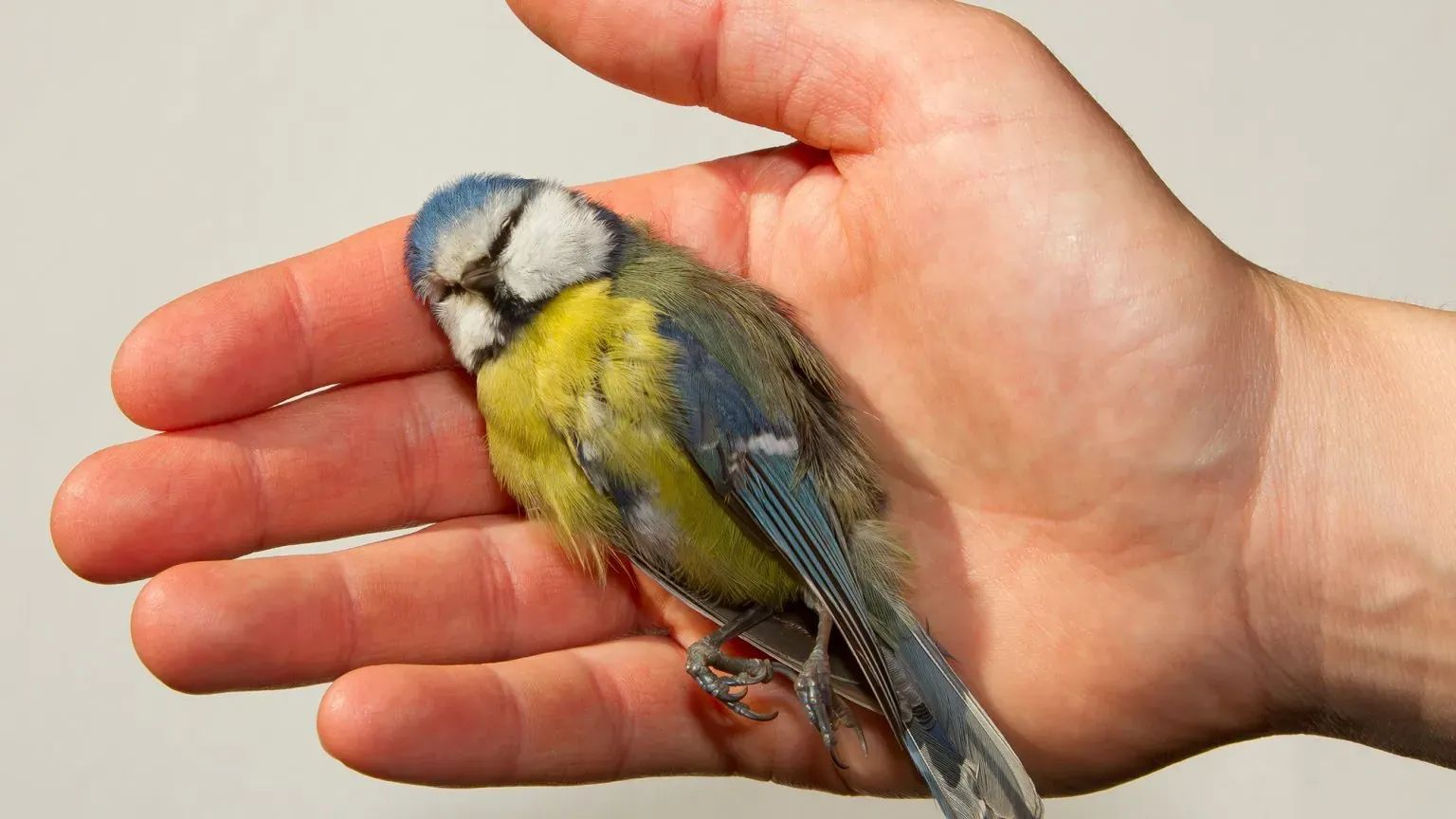
The opening of milk bottles by birds
Tits learned to pierce the foil caps of doorstep milk bottles, and the cream-stealing behavior spread geographically through the population.
READ IN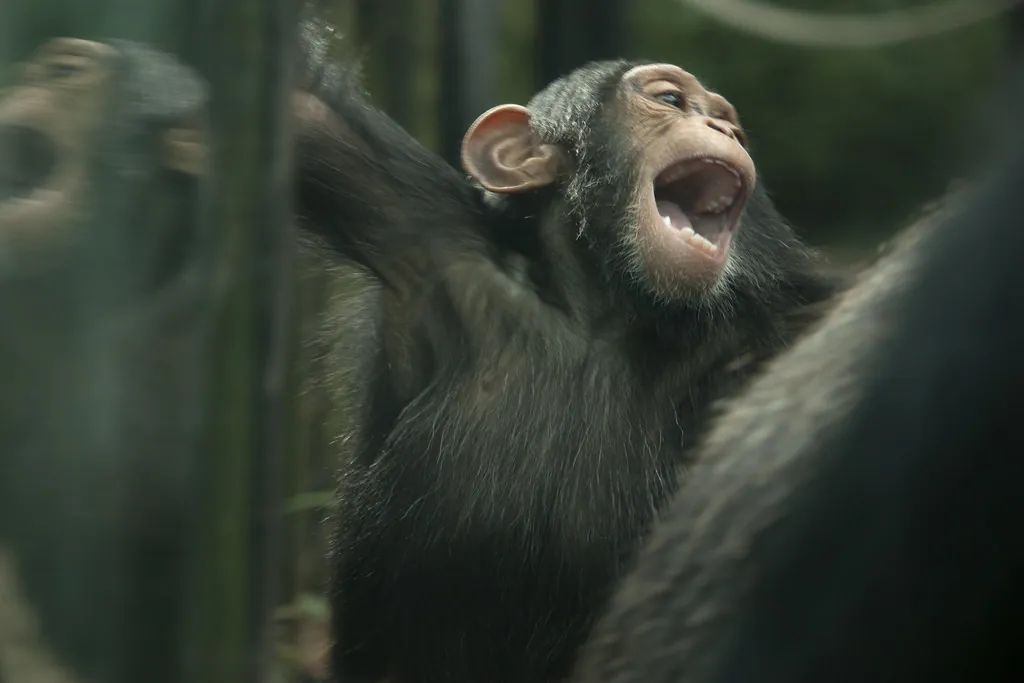
PHOTO BY Kitty Terwolbeck
Tool-using and aimed throwing in a community of free-living chimpanzees
Wild chimpanzees at Gombe modify twigs into probes and use them to fish termites from mounds.
READ IN
PHOTO BY Wolfgang Wander
Culturally transmitted patterns of vocal behavior in sparrows
White-crowned sparrows learn songs from local adult tutors, producing discrete, geographically bounded dialects across neighboring populations.
READ IN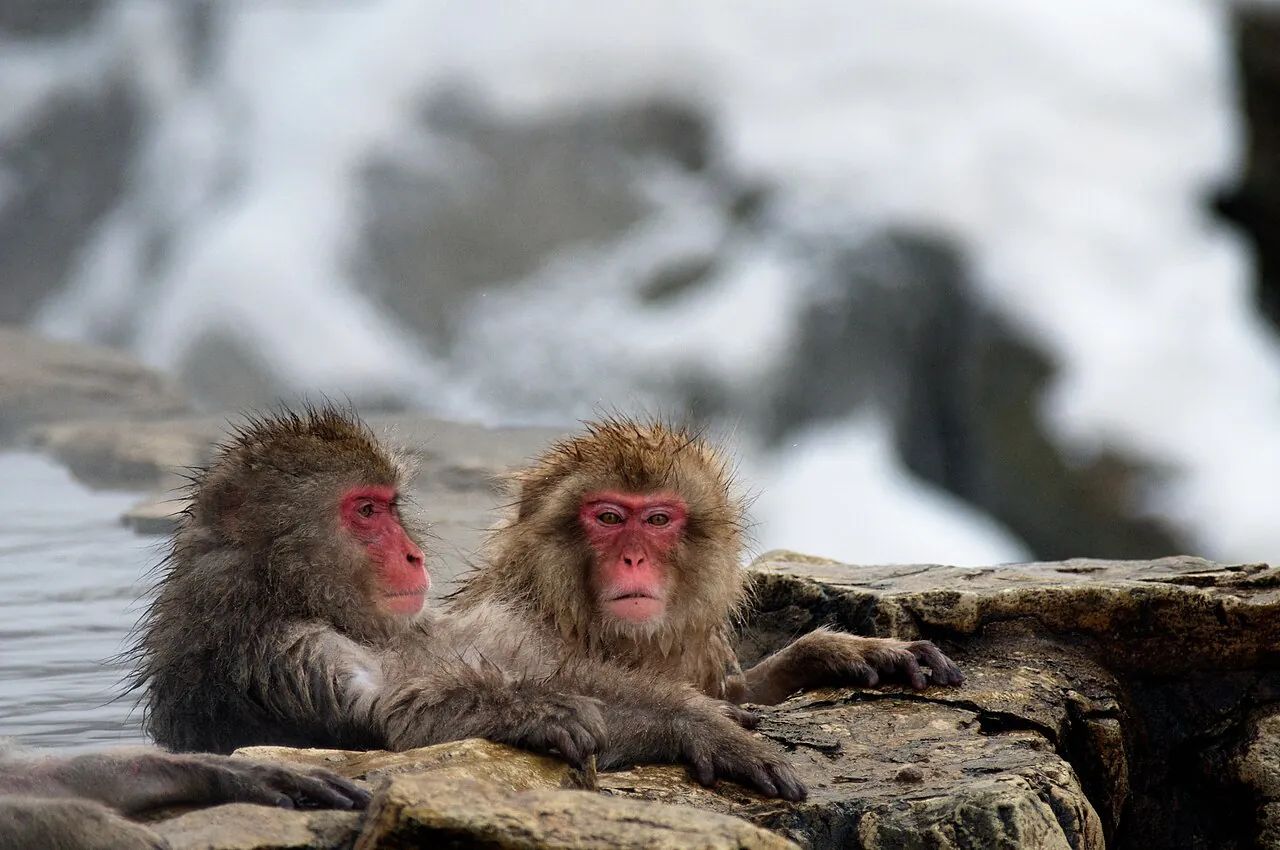
PHOTO BY PMS2718
Newly-acquired pre-cultural behavior of the natural troop of Japanese monkeys on Koshima islet
On Koshima Island a juvenile macaque named Imo invented potato-washing in freshwater (and later in seawater), and the behavior spread through her troop along social lines.
READ IN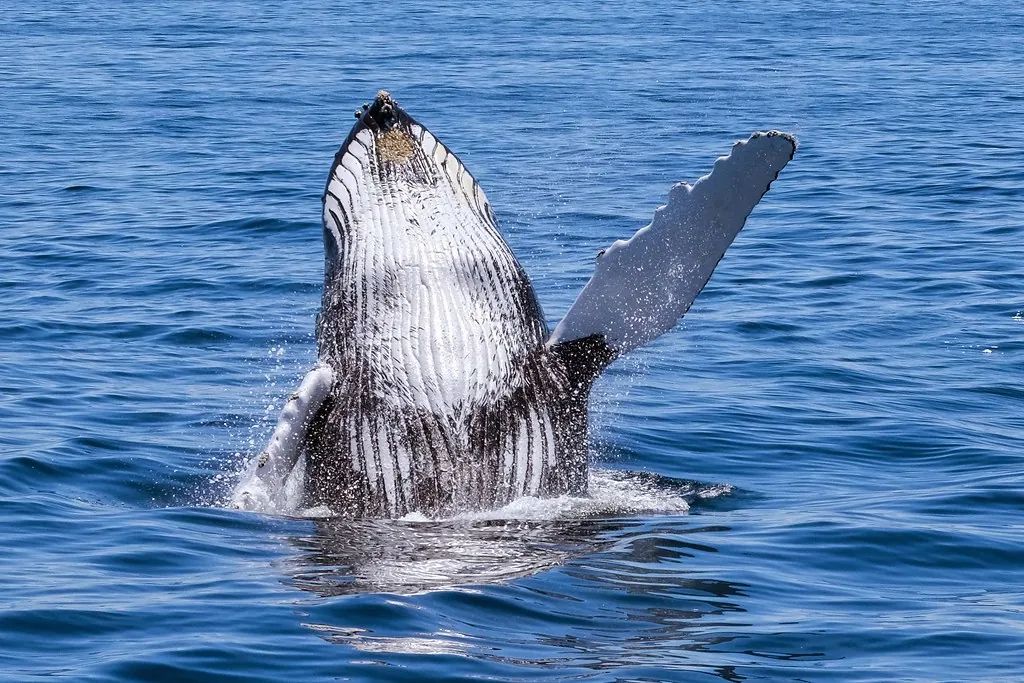
PHOTO BY rjshade
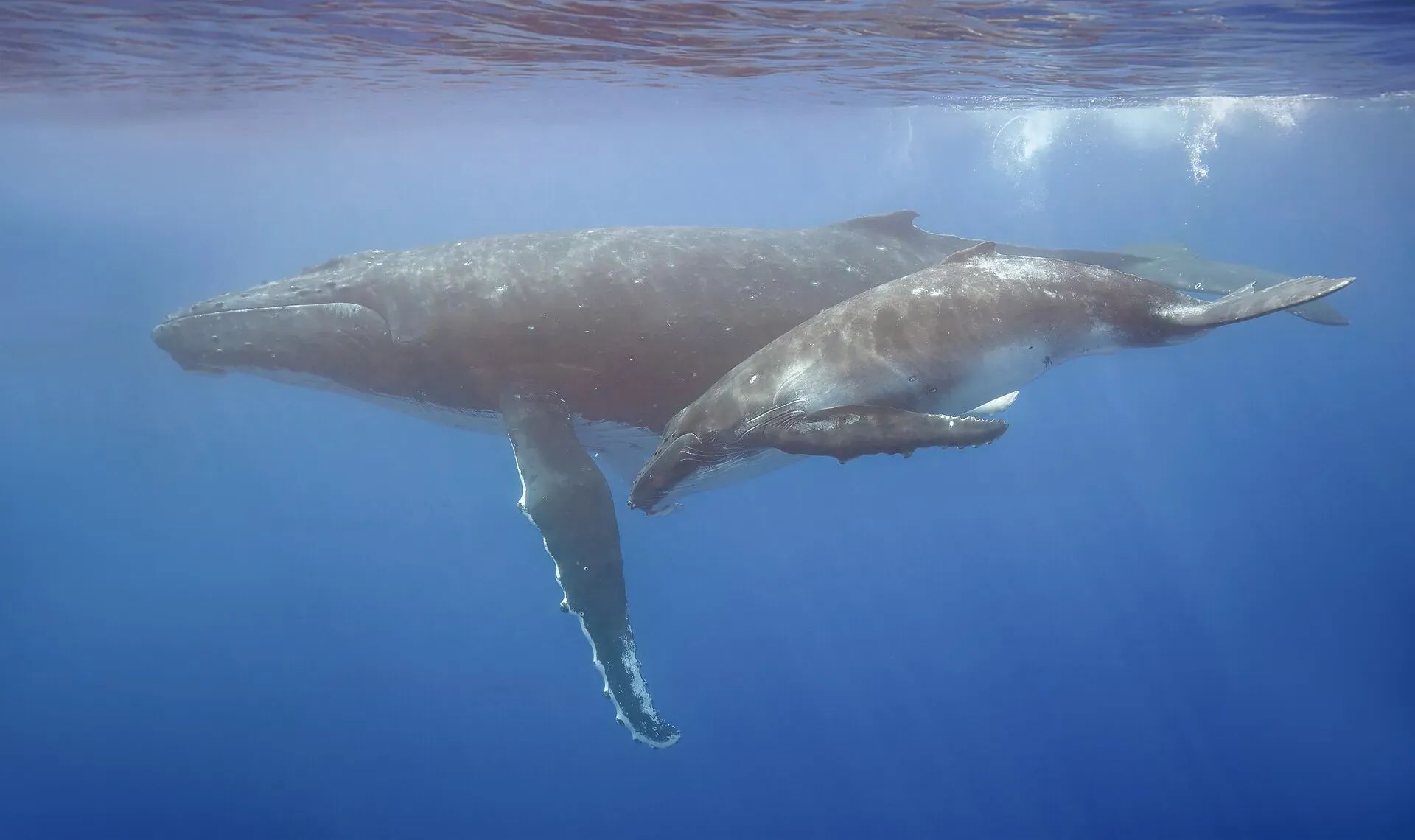
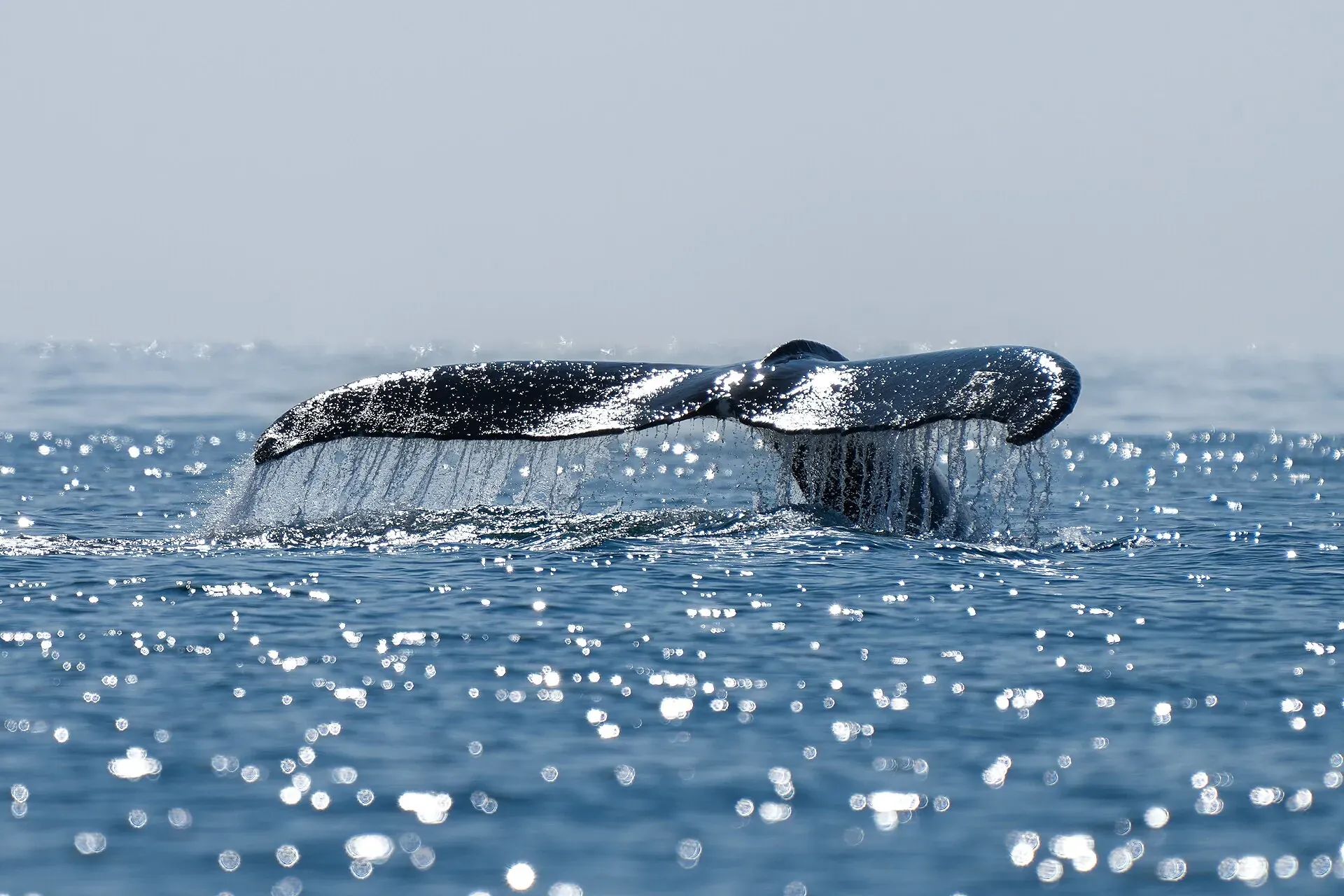
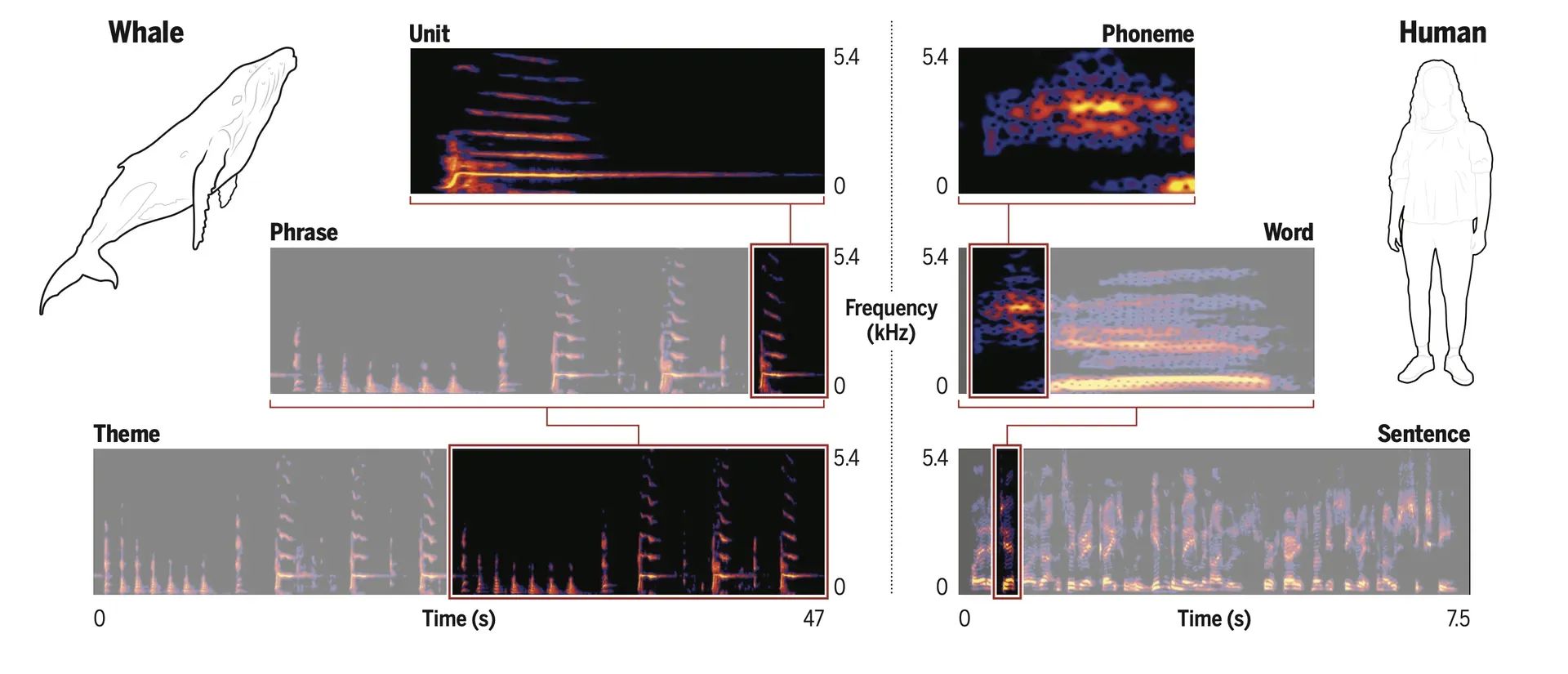
Large scale changes over 19 years in songs of humpback whales in Bermuda
Male humpback whales sing the same complex song across an entire population, and the song evolves progressively year over year while remaining synchronized across singers.
READ IN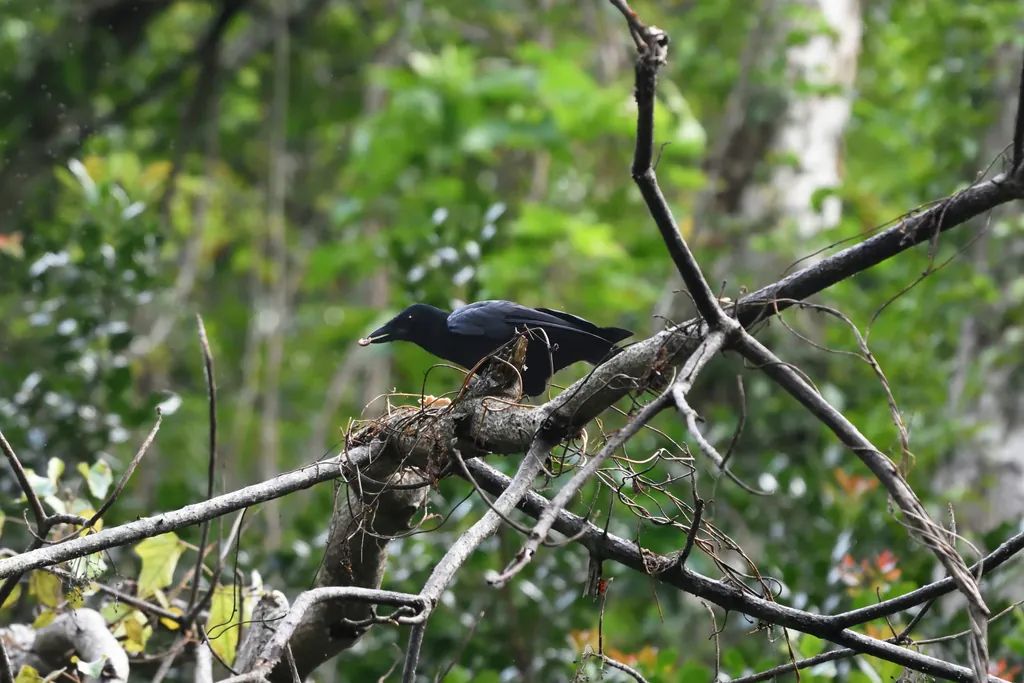
PHOTO BY Yi-Kai Tea
Manufacture and use of hook-tools by New Caledonian crows
Wild New Caledonian crows manufacture standardized hook tools and stepped-cut pandanus tools, with regional design variants across populations.
READ INPHOTO BY Kitty Terwolbeck
Cultures in chimpanzees
Across seven long-term African field sites, chimpanzee communities have 39 customary or habitual behaviors (including tool use, grooming, and courtship) that vary between groups in ways unexplained by ecology or genetics.
READ IN
PHOTO BY btrentler
Cultural transmission of tool use in bottlenose dolphins
In Shark Bay, bottlenose dolphins wear marine sponges over their beaks as protective foraging tools, a behavior passed almost exclusively from mothers to daughters.
READ INPHOTO BY Akulatraxas
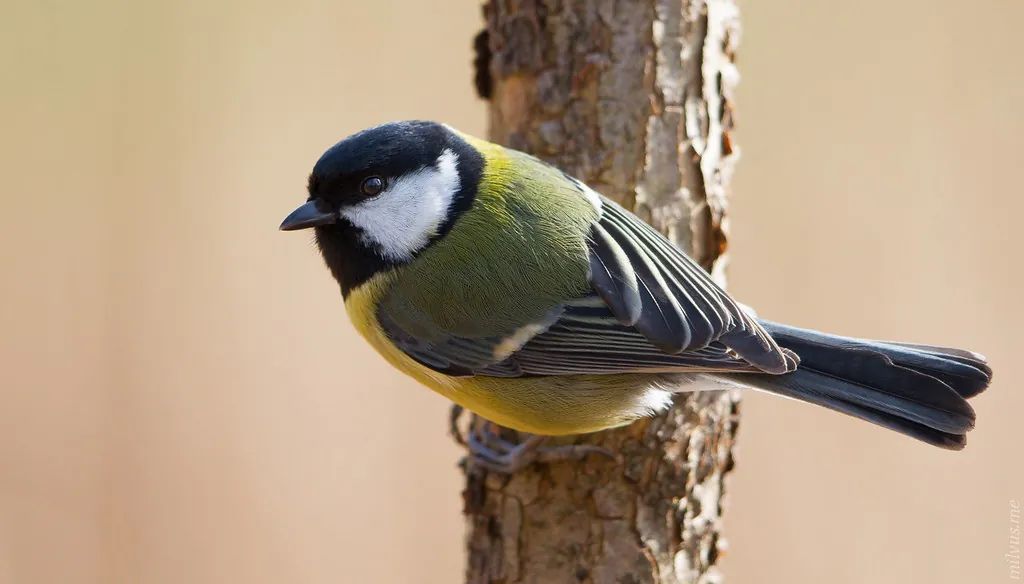
Experimentally induced innovations lead to persistent culture via conformity in wild birds
Experimentally seeded foraging techniques spread through wild great tit social networks via conformity bias and persist across generations, even when alternative solutions are equally rewarding.
READ IN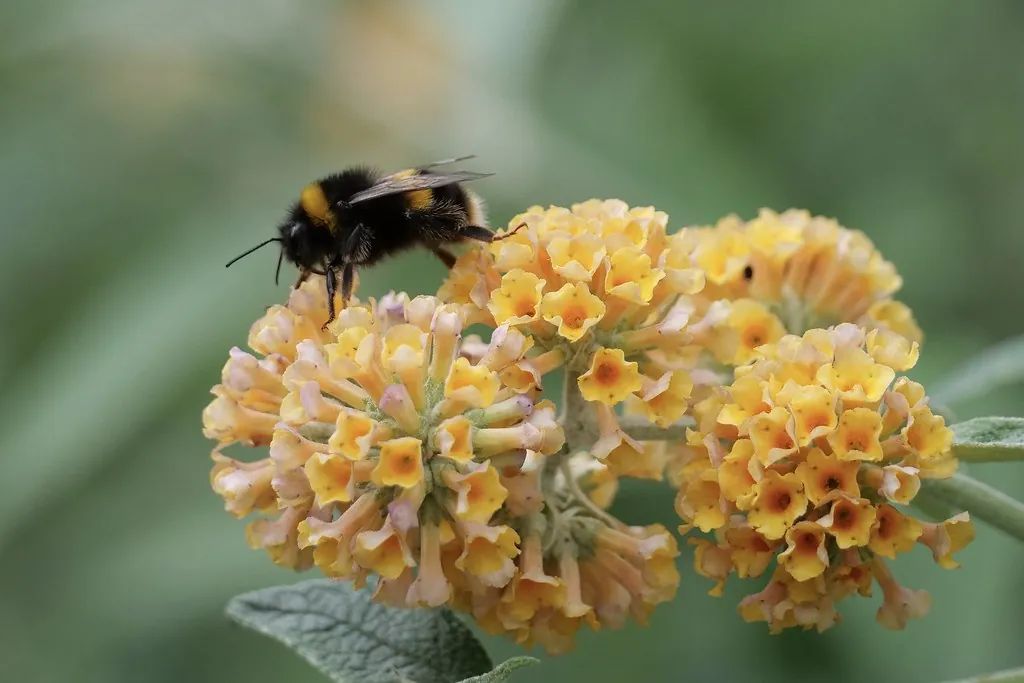
PHOTO BY John Freshney
Bumblebees socially learn behaviour too complex to innovate alone
Buff-tailed bumblebees learn a two-step puzzle box solution from trained demonstrators, a sequence that naive bees almost never discover on their own.
READ IN
1952 tits open milk bottles

1964 chimps fish for termites

1964 sparrows sing in local dialects

1965 a macaque invents potato washing

1985 whale songs evolve in unison

1996 crows craft hook tools

1999 chimpanzee cultures, plural

2005 dolphins forage with sea sponges
2015 wild tits conform to traditions

2024 bumblebees copy a two-step puzzle
creative
An immersive audiovisual installation that returns, in fragments, the lost song culture of the Kauaʻi ʻōʻō—an extinct Hawaiian bird.

research
Science, 2025 | DOI 10.1126/science.adv2318
tool
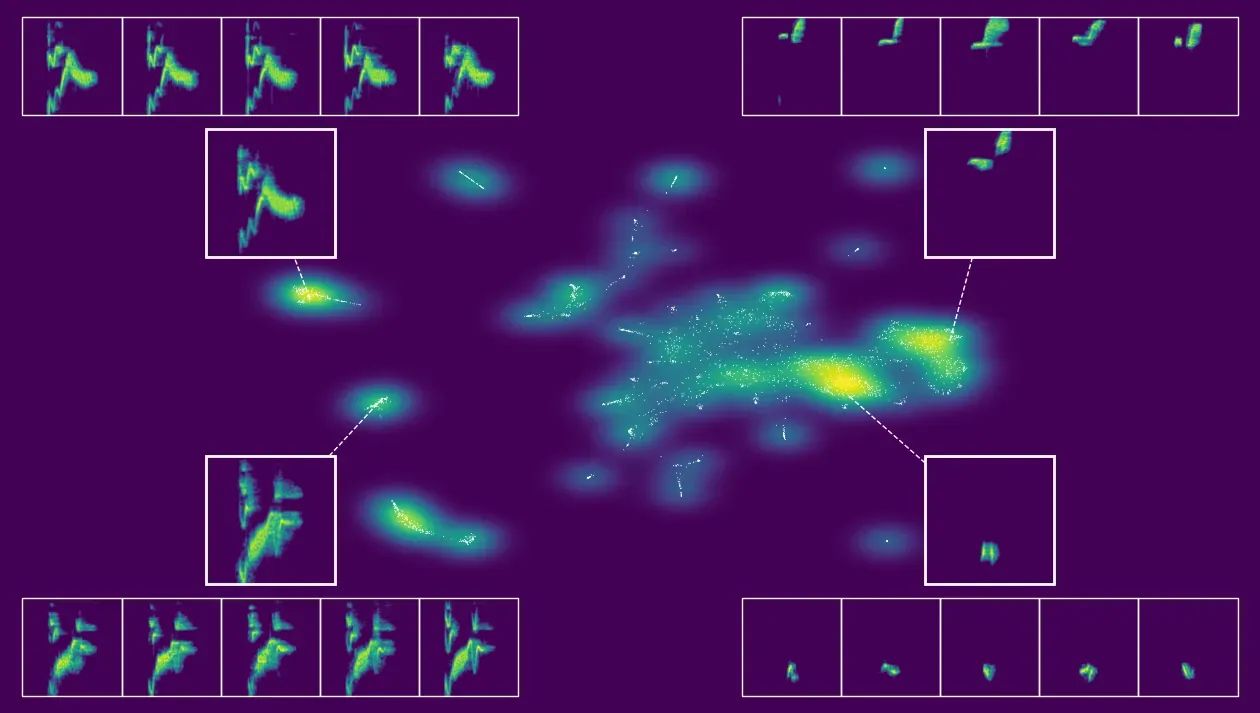
An open-source tool for exploring how animals communicate.






Join us in making a difference